
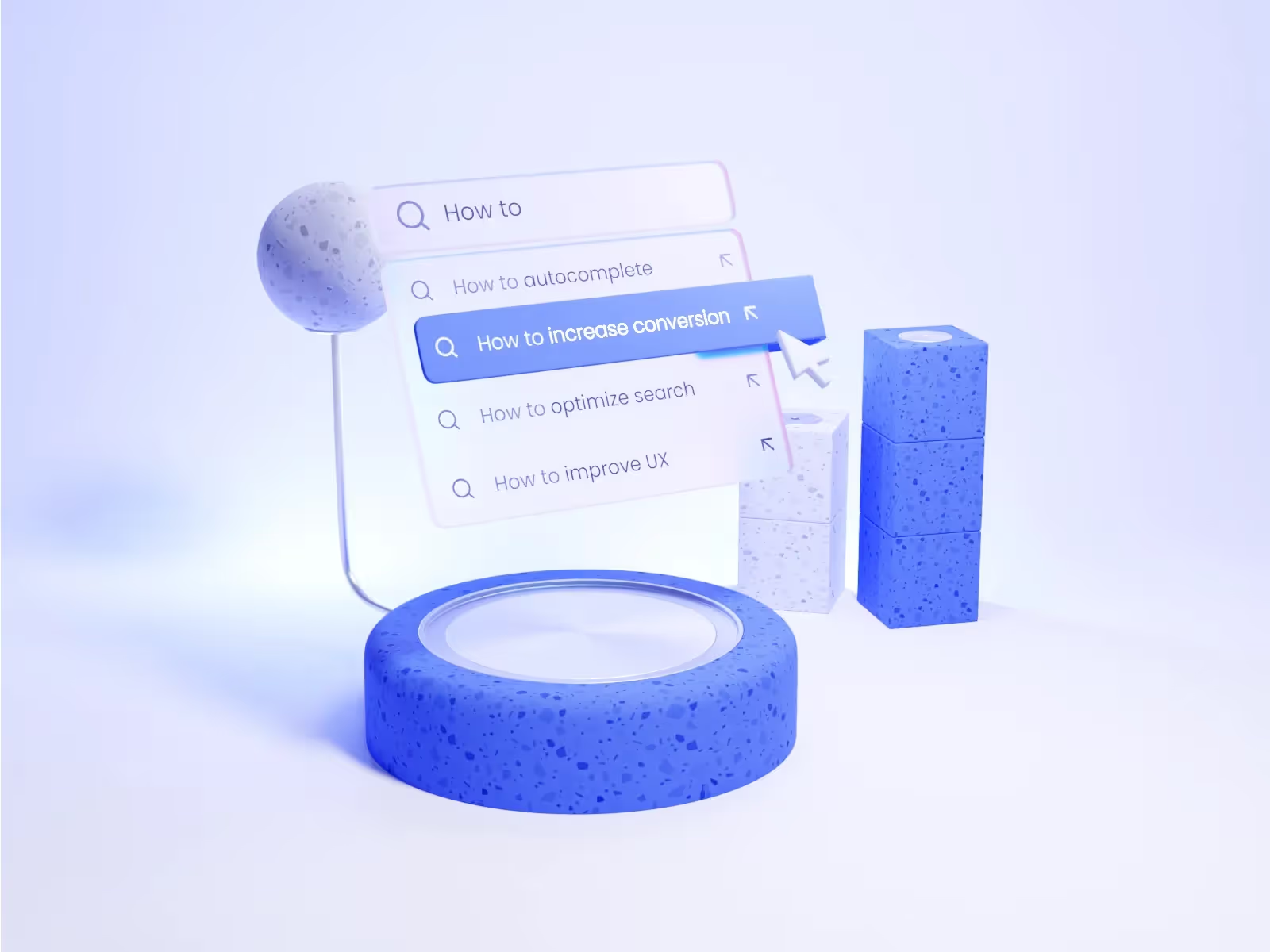
Conversion & Retention Strategy
Conception visant à améliorer le taux de conversion et la fidélisation + réduire le taux d'abandon
Cover by Nicolas Torres
The goal of UX and UI design is to create an intuitive and enjoyable experience for users. However, even the most well-designed websites and applications may experience drop-off, meaning users abandon their visit without completing a desired action. This can occur at any point during the user’s journey, for example, the journey of landing on the homepage to completing a purchase. There are several strategies and best practices that designers can implement to reduce drop-offs and improve conversion and retention.
1. Conduct User Research
Conducting user research is the first step to designing a great user experience. User research will help you better understand and pinpoint a user’s specific needs, wants, and pain points. The insights gained from this can be used to create a website or application that addresses these specific requirements and preferences while minimizing pain points throughout the user’s experience.
Examples of user research include surveys, interviews, and user testing.
2. Streamline the User Journey
Once you have a good understanding of your users’ needs and preferences, the next step is to streamline the user journey. The user journey refers to the path a user takes from landing on the website or application to completing the desired action, such as making a purchase or filling out a form. Streamlining a user’s journey could involve:
- Reducing the number of steps and complexities required to complete the desired action
- Simplifying forms
- Making it easy for users to find what they’re looking for
3. Optimize Load Times
You’ve probably left many web pages or applications because the loading was just taking too long. Users are less likely to stay on a website or application that takes too long to load. Some ways to optimize load times include:
- Reducing the size of images and videos
- Minifying code
- Using a content delivery network (CDN). A CDN is a network of servers that can distribute content to users based on their location, reducing load times.
4. Use Clear and Concise Language
The language used on a website or application can have a significant impact on user experience. Users may become confused or frustrated if they don’t understand what they’re supposed to do. To avoid this, designers and copywriters should use clear and concise language that is easy to understand and follow. Headlines, subheadings, and calls to action should all be as simple and straightforward as possible.
5. Provide Visual Feedback
Users may become frustrated if they click on a button and nothing happens so providing visual feedback is a powerful tool to prevent this. Visual feedback could include:
- Changing the color of a button
- Displaying a loading icon that indicates that the user’s action has been registered
6. Use Responsive Design
User experience should be seamless across all devices. If a website or application doesn’t function properly on a certain device this can obviously be super frustrating for a user. This is where responsive design comes into play. Responsive design will allow websites and applications to adapt to different screen sizes and resolutions. Some considerations:
- Design for mobile first. It’s important to start with the smallest screen size and work your way up.
- Test on multiple devices
- Prioritize the most important content and make it easily accessible on smaller screens
7. Personalize the Experience
Personalization is becoming an increasingly important aspect of user experience. Users are more likely to engage with a website or application that is tailored to them. Some ways to personalize the experience for users:
- use user data to recommend products or services
- provide relevant content
- offer promotions or discounts.
Reducing drop-off and improving conversion and retention in UX and UI design requires a user-centric approach. By implementing these strategies, you can improve the success of your websites and applications and build long-lasting relationships with users.

Continuez à lire
Plus d'informations sur Orizon

Parlons-en
Un design soigné et rapide, réalisé par des professionnels de confiance.


%20(1).png)


.svg)
.svg)

.svg)