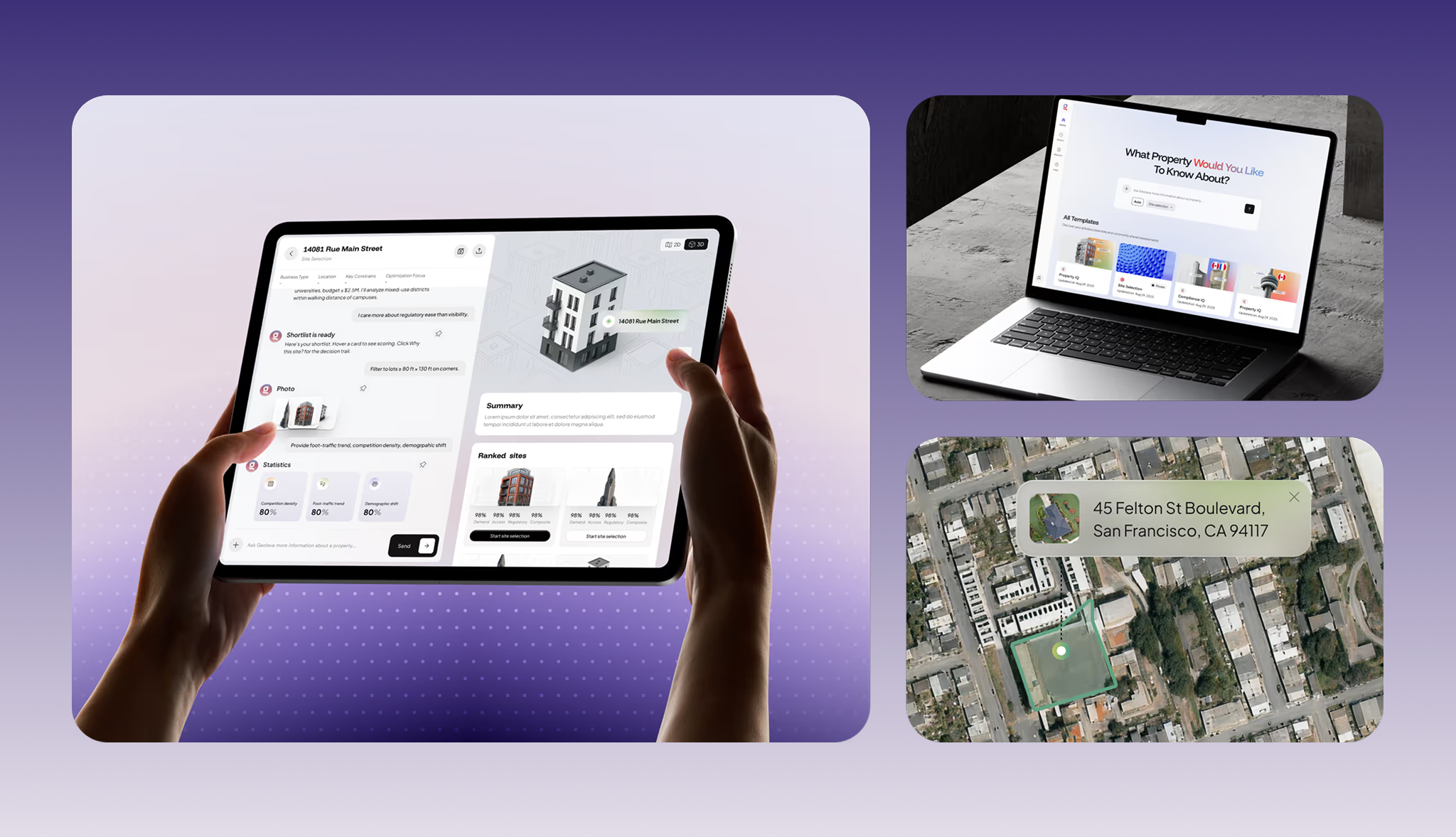
Less handoff. More working product.
Design Engineering: Great Design Should Ship
A beautiful design file is not the finish line. Your customers use the product, not the handoff.
That is why we are bringing design and development closer together at Orizon. We want the thought behind the UX, the quality of the visuals and the details of the interactions to survive the build.
Design engineering is a useful name for that approach. Not because every designer suddenly needs to become a full-stack developer. Because more of the decisions that make a product great can now be explored in something that actually works.
What is design engineering?
For digital products, design engineering connects UX, visual design and front-end implementation. It brings the people shaping an experience closer to the code that delivers it.
The idea is not new. In its account of design engineering at Vercel, the team describes designers and builders iterating together in Figma or code, with attention to interaction quality, reusable components, performance and accessibility.
Our view is simple: great design should not lose its best details between approval and release.
A design engineer might explore an interaction, build a component and refine it in the browser. A design engineering pod can combine a senior designer and developer around the same outcome. What matters is ownership of the experience, not fitting every skill into one job title.
🛠️ Want your design to survive the build? Work with a team that designs and ships →
The new expectation: show us how it works
Static screens still have a place. They are useful for exploring direction, hierarchy and visual identity without building every option.
But some questions only become clear through interaction. Does the navigation still make sense after the third step? Does the motion explain a change or just decorate it? What happens when a search returns nothing? Does the layout hold up with real content?
A working prototype lets us experience those questions together. It gives founders, product leads, designers and developers something concrete to react to.
That is the change we care about. Less time explaining what a screen might do. More time trying it, learning from it and making it better.
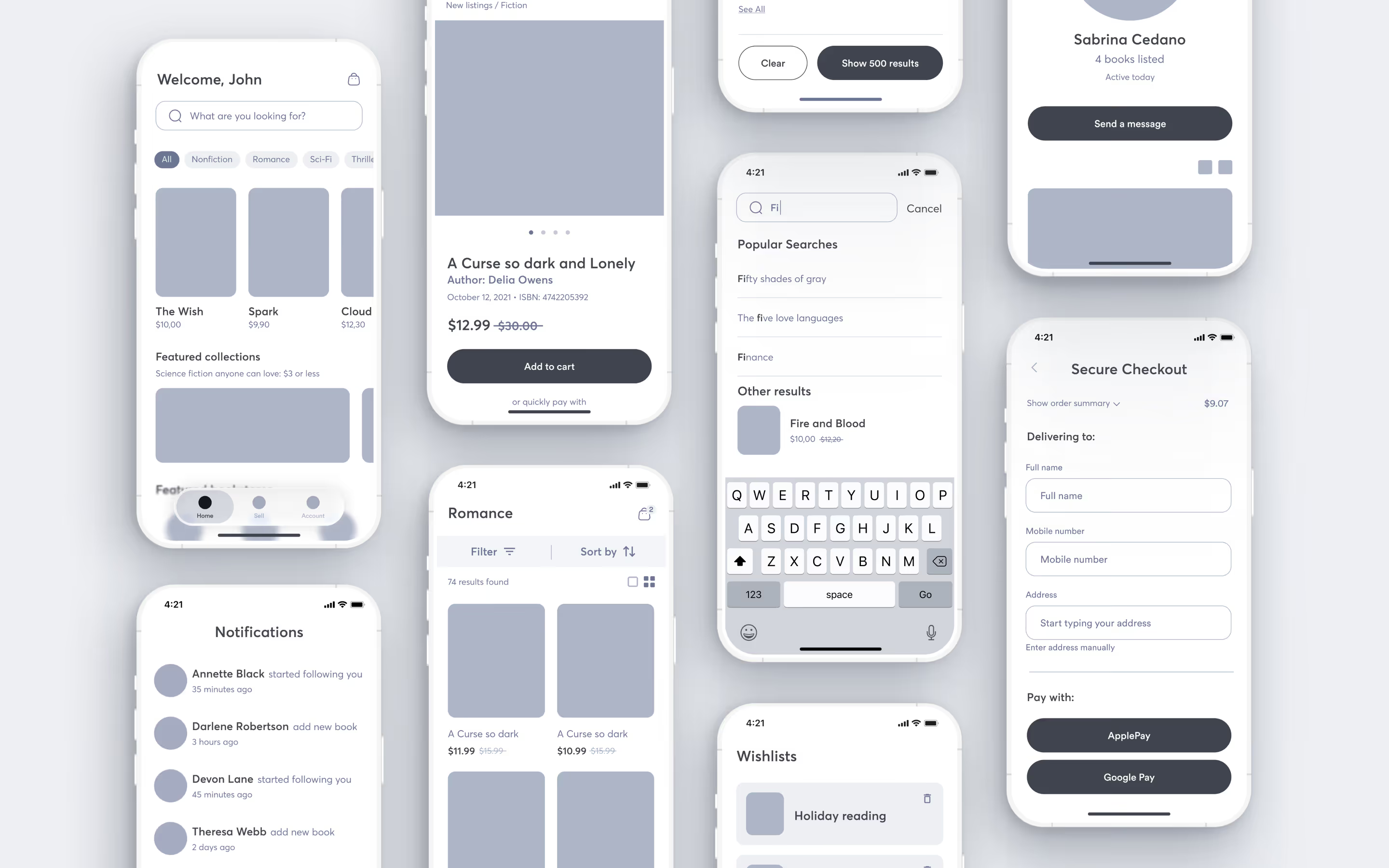
AI makes it easier to build. Judgment makes it worth building.
AI-assisted coding gives us another way to explore an interface, try a variation or get a first implementation moving. At Orizon, we use Claude where it helps the work. We do not hand over responsibility for the result.
A generated interface is a starting point. It still needs the right flow, a clear hierarchy, a recognizable brand, complete states and code that fits the project.
Even Anthropic's guidance for Claude Code emphasizes planning, specific context and ways to verify the result, such as tests, builds and screenshots.
For us, the standard is not how quickly something appears on a screen. It is how quickly we can get to an experience we are proud to put in front of people.
How we work at Orizon
We start with the product and the people using it. The goal might be clearer onboarding, a stronger first release, an easier purchasing journey or a workflow that users keep coming back to.
Then we build around the moments that matter. We share early, explain the decisions and let the team experience the work while there is still room to change it.
For example, imagine an account setup flow. A static design can show the ideal path. A working prototype can also show an invalid entry, an interrupted upload, a loading state and a successful return to the dashboard. Those details give the team better questions to ask before committing to the full implementation. This is an illustrative workflow, not a claim about a particular client result.
Our app and SaaS prototypes help make those decisions tangible. Our design engineering pods can carry the agreed experience into front-end development, with responsibilities established before the build.
Best-in-class UX. World-class visual design. A team that can build. The point is to connect those things, not choose between them.
What an embedded pod actually means
A pod is a small team working closely with yours. We agree on priorities, share working progress and keep design decisions connected to implementation.
You work with the people shaping and building the experience. There is less room for the intent to get lost across a chain of handoffs.
We can bring our own developers or collaborate with your existing team. Where you already have a codebase or design system, we start there. Reusable components, tokens and clear rules make more sense than rebuilding the same foundations on every screen.
Your design system can live in Figma, code or both. Preparing it for Claude-assisted workflows is an option, not a requirement.
A working prototype is not automatically a production product
This distinction matters.
A prototype may use sample data or simplified integrations to test a journey. A production release has to work with the real services, permissions and operational needs of the product.
That is why we agree on the front end, backend, integrations, testing, security, deployment and ongoing support before implementation. We do not call a demo production-ready because it looks convincing.
This is not a reason to move slowly. It is a way to move fast without leaving the next team to discover what was never built.

Design quality is still the reason to hire us
We have worked on 400+ projects across product, web and brand. That experience informs how we simplify complex journeys, shape visual identities and spot the details that make an experience feel considered.
Design engineering does not replace that work. It helps us carry more of it into what users actually touch.
We still take on design-only engagements. We still care about strategy, UX, branding and visual craft. We are making the path into implementation more direct for teams that need it.
The goal is not more code. It is a better product, with fewer details lost along the way.
Great design should ship
We think the next standard is not a designer who can generate a screen. It is a team that can make good decisions, show you something working early and keep the quality intact through the build.
That is what we are building around at Orizon. No mystery process. No disappearing after the handoff. Clear priorities, regular feedback and a team focused on getting the work right.
Key Takeaways
- A polished design file isn’t the finish line. Customers experience the product that ships, not the handoff.
- Design engineering connects UX, visual design and front-end code so the best details survive the build.
- Working prototypes surface questions static screens can’t, like empty states, errors and real content.
- AI tools speed up exploration, but judgment decides what’s worth shipping.
- A convincing prototype isn’t production-ready. Integrations, security, testing and deployment get agreed upfront.
- Design engineering pods keep a senior designer and developer on the same outcome, with fewer handoffs.
- Orizon still offers design-only engagements, with pods as a more direct path into implementation.
Ready to ship a product that feels as good as the design file?
Explore our design engineering pods or book a call with Orizon 🚀
FAQs
What is design engineering?
Design engineering connects UX, visual design and front-end implementation so the people shaping an experience work closer to the code that delivers it. The goal is to keep the details that make a product great, like interactions, states and visual quality, from getting lost between approval and release.
What does a design engineer do?
A design engineer explores interactions, builds components and refines them directly in the browser. They care about how the product feels in use, as well as how it looks in a static file. That covers motion, responsiveness, accessibility and performance.
Is design engineering the same as front-end development?
Not quite. Front-end development focuses on building the interface. Design engineering adds ownership of the experience itself, so UX and visual decisions are made and tested in working code rather than handed off and interpreted.
Why use a working prototype instead of static designs?
Static screens are great for exploring direction and visual identity, but some questions only show up through interaction. A working prototype reveals how navigation holds up across steps, what happens with empty or error states, and whether the layout survives real content. It gives founders, product leads and developers something concrete to react to.
What is a design engineering pod?
A pod is a small senior team that combines UX, visual design and front-end development. At Orizon, pods embed in your workflow, agree on priorities with your team and carry the work from first sketches into code. You work directly with the people designing and building, without a chain of handoffs in between.
How fast will we see something working?
We start with the journey that matters most and get a working prototype in front of you early. We use Claude and AI-assisted workflows to explore and build faster, then review the design and code ourselves before anything reaches you. Progress is shared often, with milestones agreed around your scope.
Can Orizon build the full product, not just the prototype?
Yes. Orizon can bring its own developers or work with yours to build the front end. A prototype can run on sample data, but a release needs working integrations and testing. That’s why we agree on backend, security, deployment and support responsibilities upfront, so you know exactly what’s being shipped.
Can Orizon work with our existing team and tools?
Yes. We build on your product, codebase and design system rather than starting over, whether that system lives in Figma, code or both. Pods fit into Orizon’s existing engagement models, with design and development capacity agreed before work begins.
Does Orizon still offer design-only projects?
Yes. Orizon still takes on design-only engagements across strategy, UX, branding and visual design, drawing on 400+ projects across product, web and brand. Design engineering pods are an option for teams that want a more direct path into implementation.
How do I get started with a design engineering pod?
Start with a quick conversation about your product, your team and what you need to ship. Book a 30-minute call with Orizon and we’ll help you figure out whether a pod, a prototype or a design-only engagement is the right fit.

Keep Reading
More from Orizon

Let's Talk
Design done right and fast by
people you can trust.